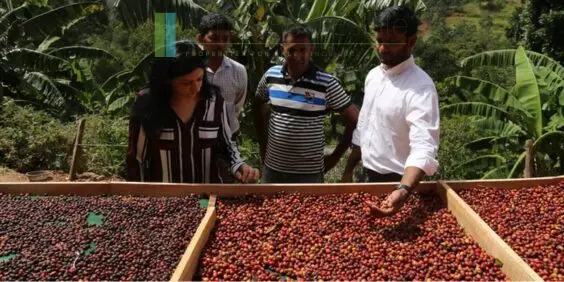
Coffee may not be the first hot beverage that springs to mind when thinking about Sri Lanka, but the island's coffee story predates that of its tea! Coffee was introduced in the 1820s under British rule, growing into a major industry by the 1840s in the Kandy highlands, ideal for Arabica beans. At its height in the 1860s, the island exported over 50 million kilograms yearly, reshaping the economy...
History & Culture
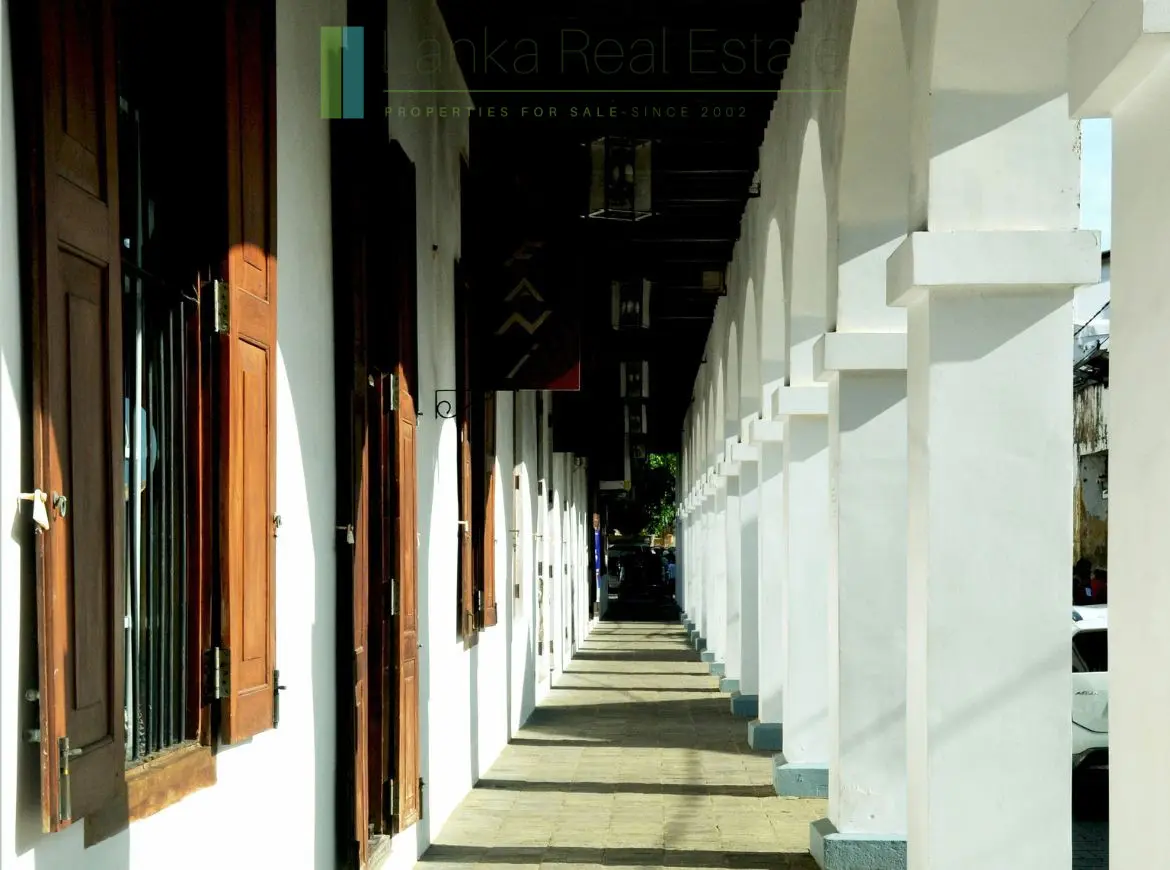
Photo shows the Old Dutch Hospital in Galle Fort and was taken by Nilantha Sanjeewa The Dutch held Sri Lanka for approximately 150 years from the mid-17th Century, and whilst they left over 200 years ago their influence on the architecture can still be seen and felt. It is most evident in the coastal towns, especially Galle where the iconic Galle Fort stands as a UNESCO World Heritage site. Dutch...
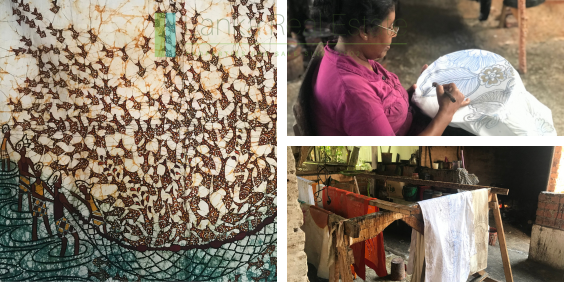
Sri Lanka is renowned for its tradition of Batik. This art form has found its home in the heart of our island nation, reflecting its vibrant culture and deep-rooted history. Batik is a method of fabric decoration, where wax resist techniques are used to create intricate patterns and vivid colors on textiles. The practice is relatively modern here, brought by the Dutch from Indonesia just a few hundred...
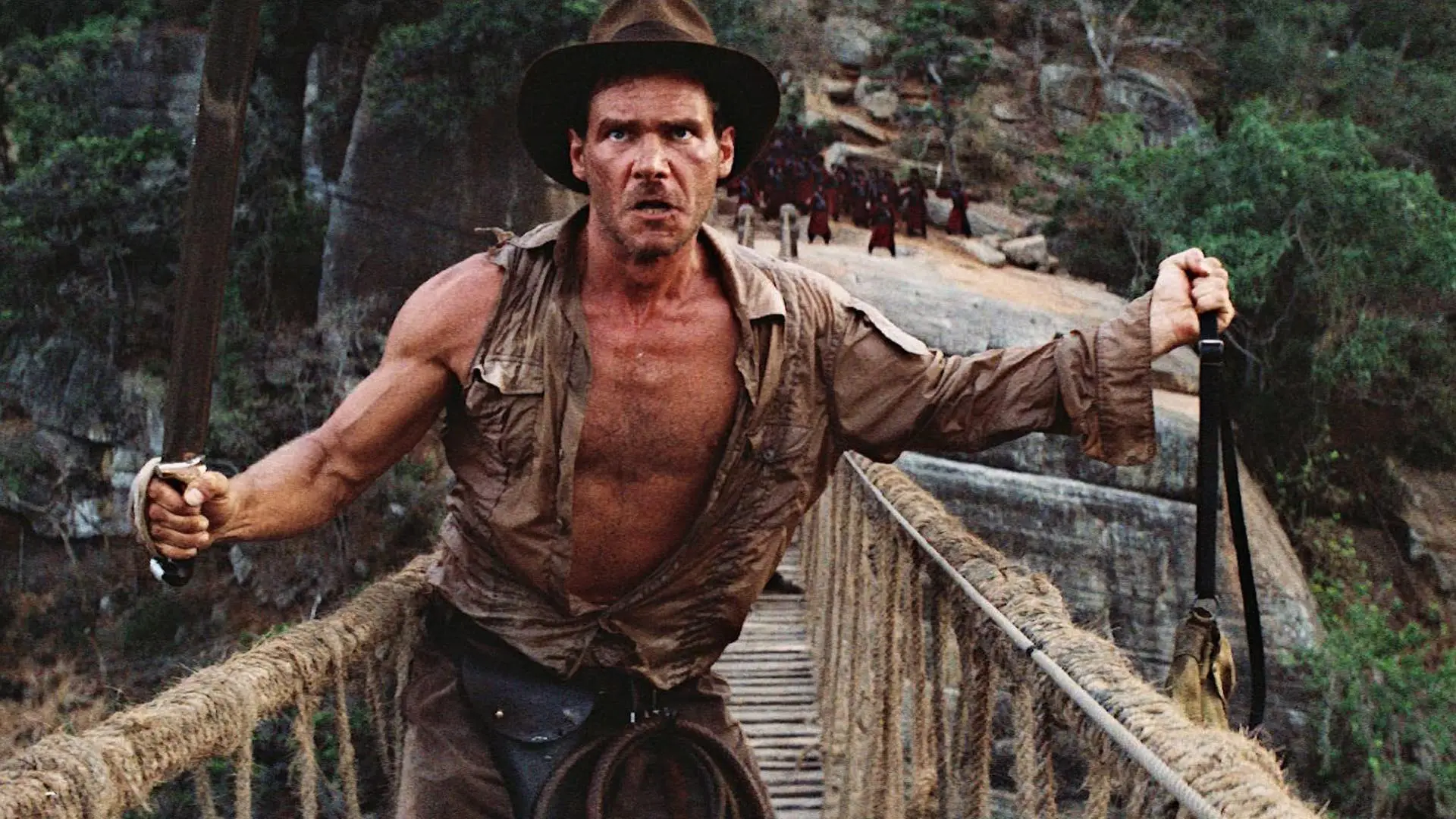
A recent social media post about the British TV series Good Karma Hospital from one of our managed properties, the gorgeous Satori Villa, started us thinking about Sri Lanka's sideline as a film location. In particular we were musing over how people don't know how much is filmed here as our stock-in-trade is "pretending to be somewhere else" Of the many to choose from here are two of Sri Lanka's perhaps...
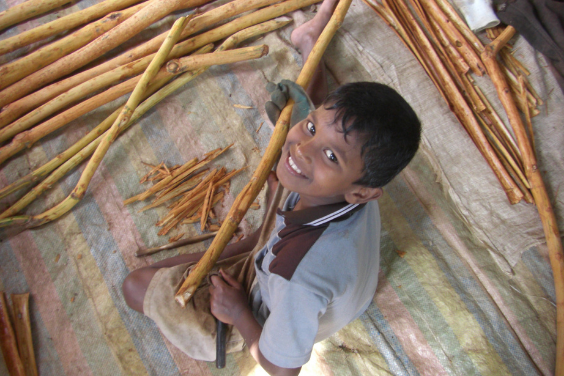
Picture courtesy of Shikra Cinnamon, Dondra An essential ingredient in global cuisine, cinnamon as we would recognised it is the peeled bark of the cinnamon tree rolled in to "sticks" and often thence ground to a powder. Louis IX of France reportedly believed that cinnamon was fished up in nets at the source of the Nile "on the edge of the world", In fact Cinnamomum Verum...
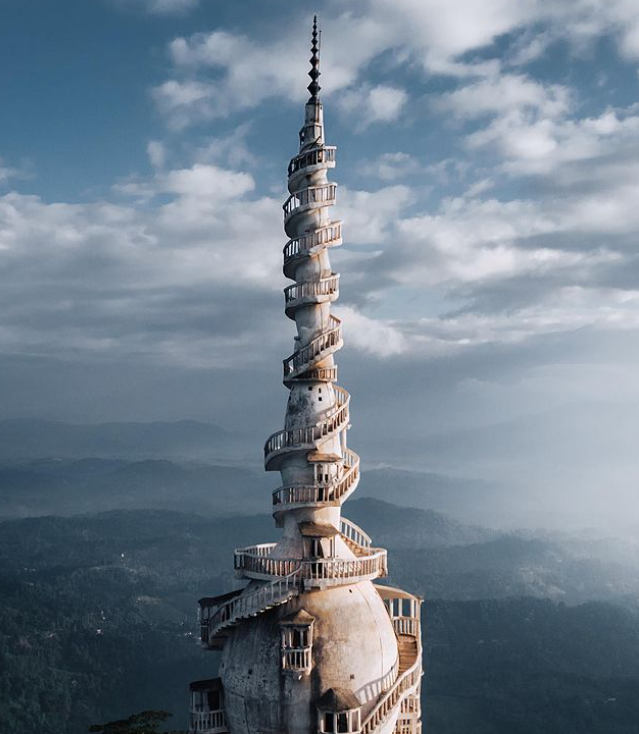
At first sight the Ambuluwawa Tower looks more Gormenghast than Sri Lanka. This extraordinary structure sits atop the stupa of the Buddhist Temple at Ambuluwala and should definitely be on the "must see" list for any visitor. It is possible to climb right to the top of the 48 metre spire via an external staircase, and whilst the ascent is not for the faint hearted, the views from the top are...
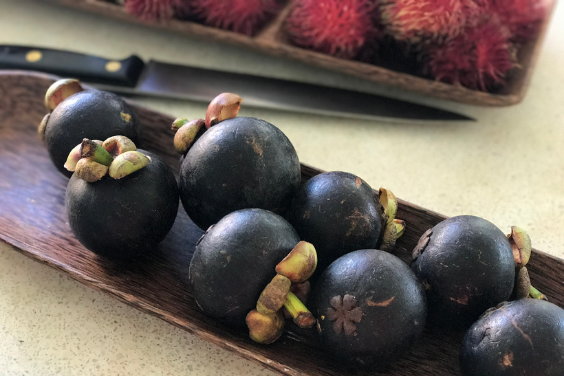
In July and August you don't have to travel far along any main road before stumbling upon a pop-up stall groaning under the weight of mountains of bright crimson balls. These are rambutan and on opening their hairy casing you will find inside a milky-white juicy nugget of deliciousness. Very similar to a lychee they are usually eaten raw but can also be cooked into curries and desserts - if you manage to...
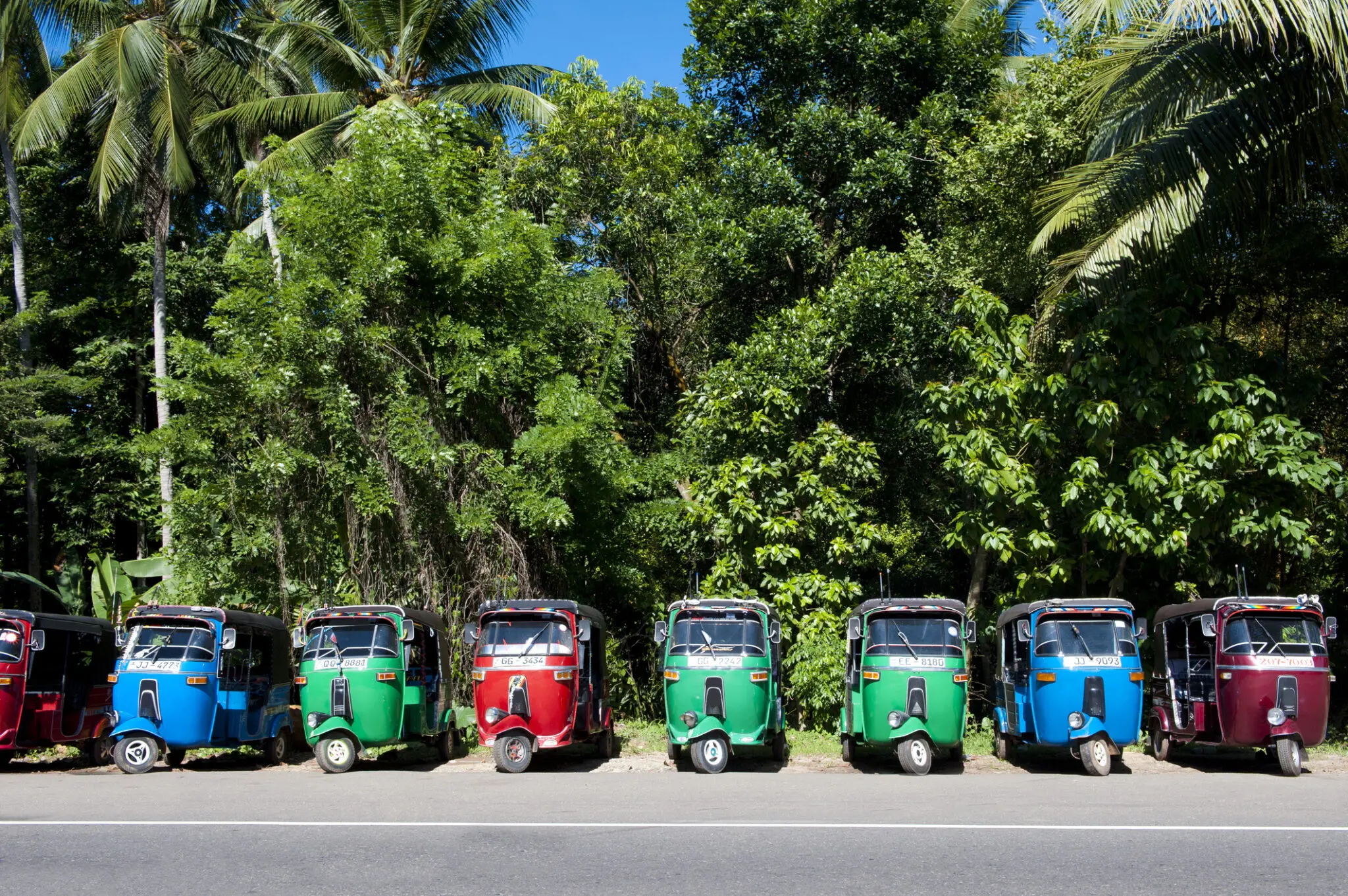
For tourists and residents alike, the quickest and most convenient way of making short journeys is by the ubiquitous tuk-tuk. The colourful three-wheelers, often adorned with stainless steel "bling", multi-coloured transfers and (sometimes incomprehensible) slogans and mottoes, are so synonymous with Sri Lanka that it is hard to believe that they were only first introduced to the island in 1981. There are...
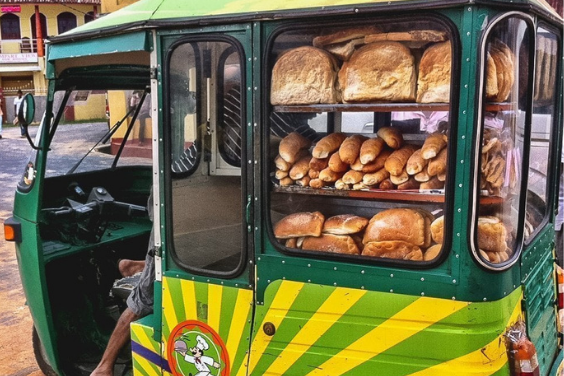
One of the stranger backdrops to Sri Lankan life is hearing the high-pitched tinny strains of Beethoven's Für Elise drifting though the air two or three times a day. This will often be accompanied by a flurry of activity amongst your neighbours or house staff as they know that the metallic jingle signals the arrival of the Choon Paan Man. Choon Paan literally translates as "musical bread" and is the...
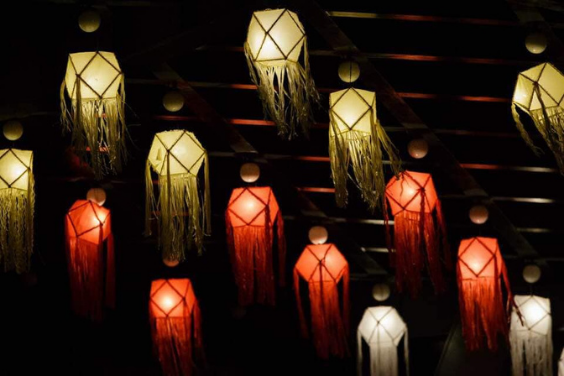
In April we celebrated the Sinhala and Tamil New Year. May brings the most important Poya (full-moon) of the year. Vesak Poya is so significant that we get a two day public holiday in its honour instead of the usual one. Vesak, also known as the Buddhist Festival of Light, celebrates the triple anniversary of Lord Buddha - his birth, his attaining of Enlightenment and his passing...